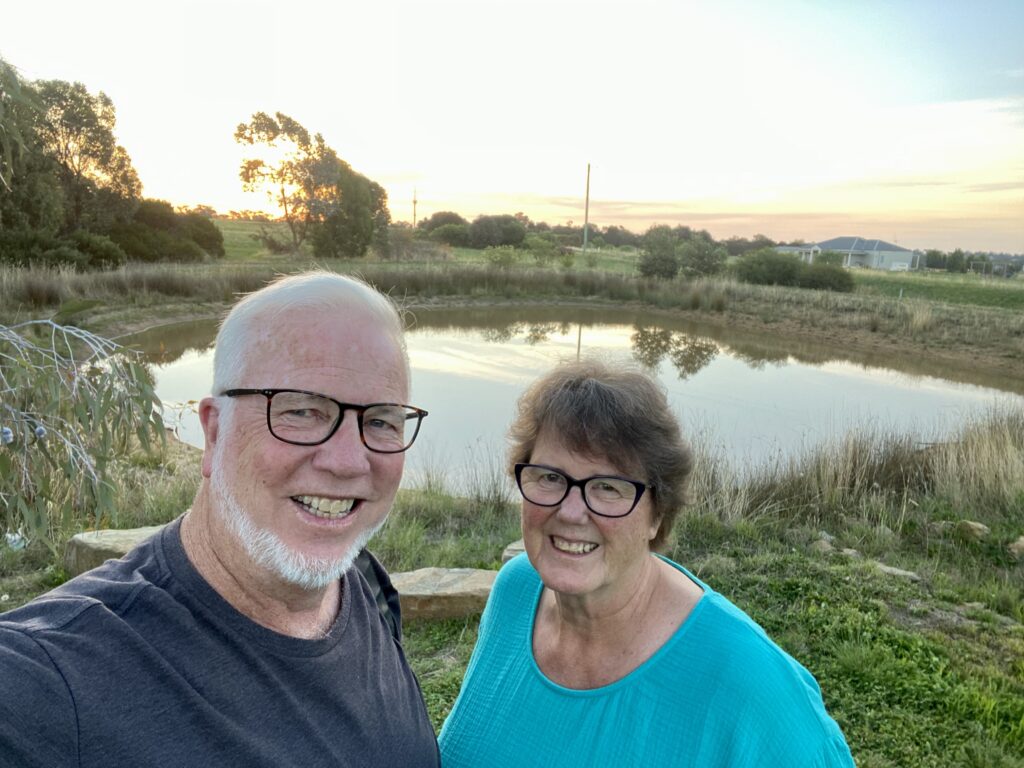
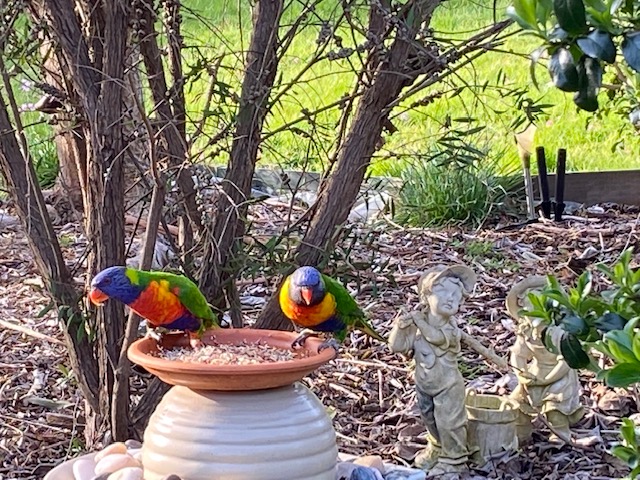
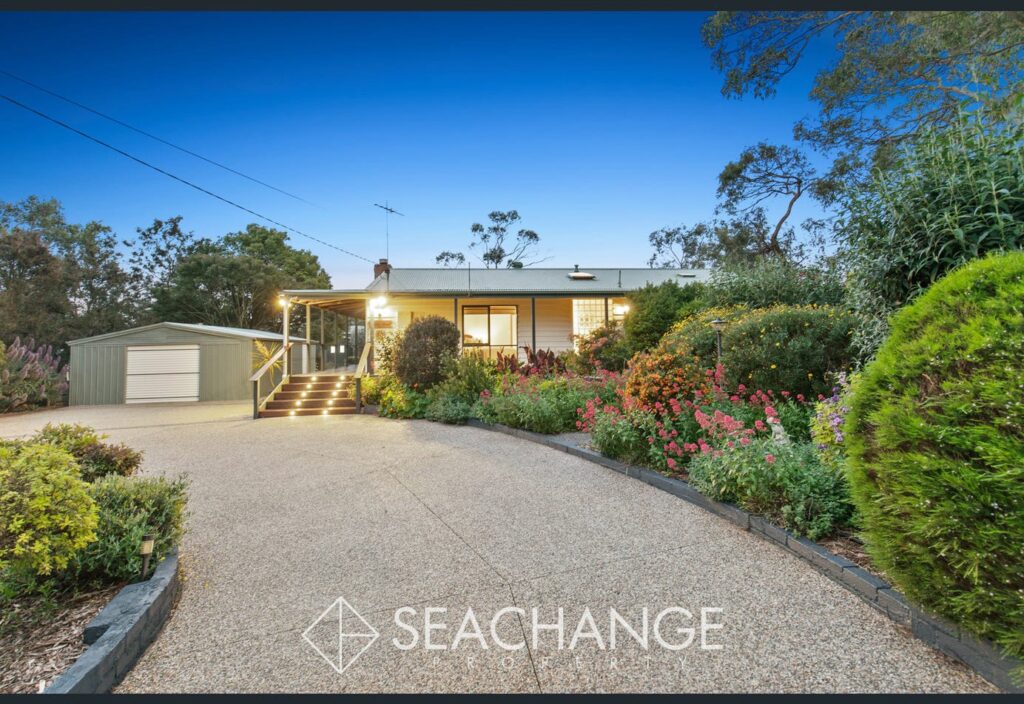
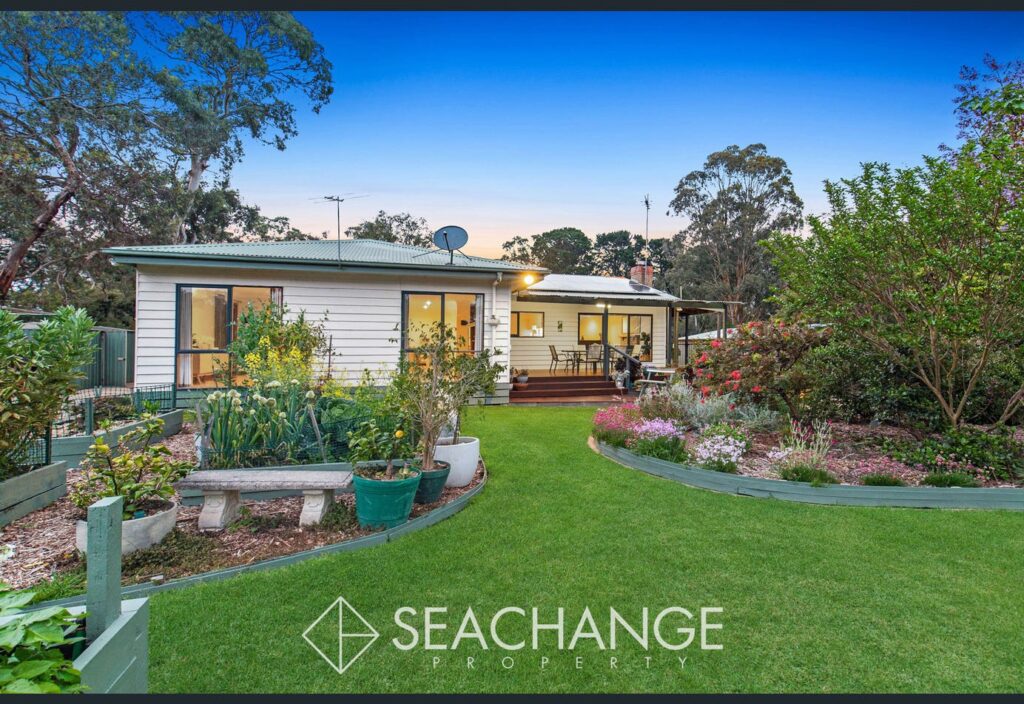
The views out of my window are jarringly unfamiliar. Different plants and trees mixed with just occasionally friendly lavender and acacias. Suddenly a pair of lorikeets flits under the pink bottlebrush and my heart leaps to see birdlife that I know. I am sitting at a new window after moving from our home of eighteen years.
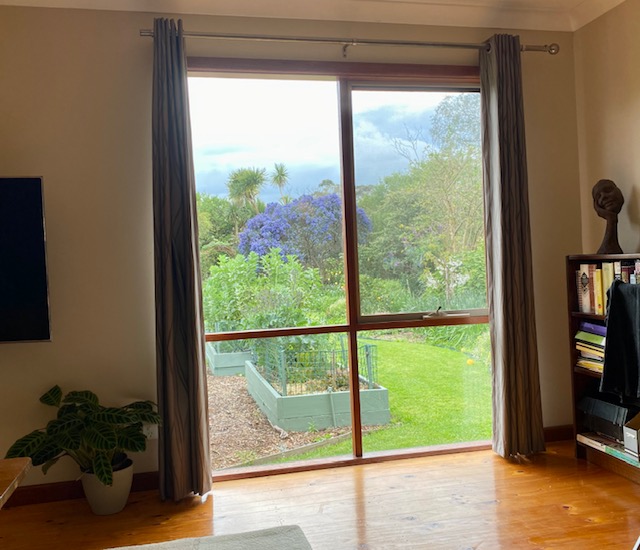
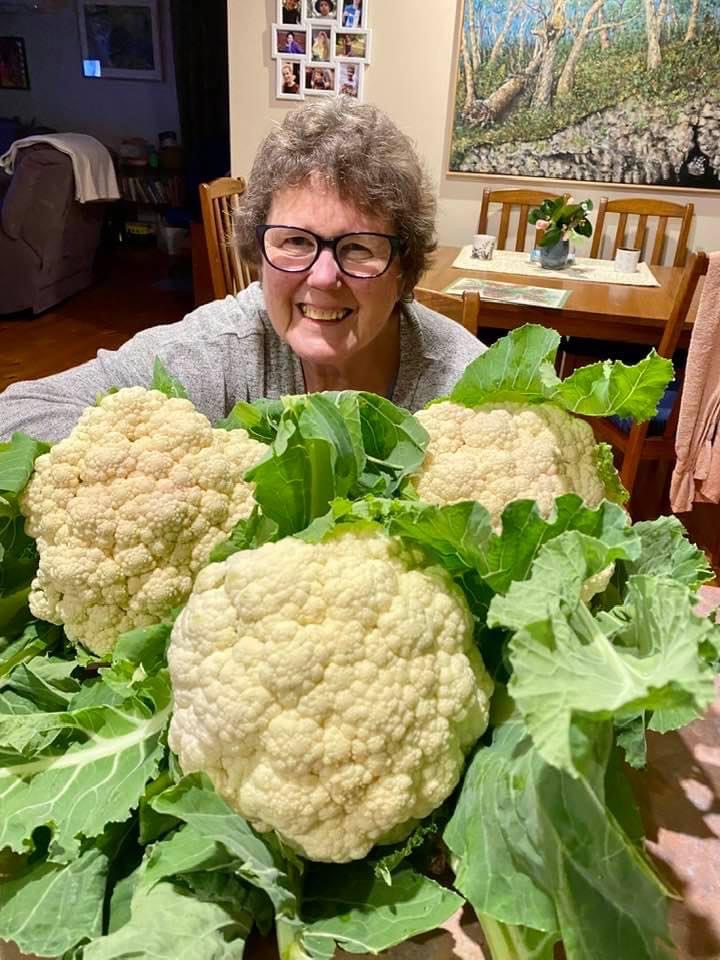
Our comfortable, convenient, customised dwelling that felt just right. The place that worked for us, embraced us, like slinky pyjamas. The rooms that all connected to the living areas so that we could always converse from anywhere; we felt close to each other. The family room with framed picture windows on three sides making the garden sidle inside and embrace me, then entice me out. Watching the snow peas form in the raised bed outside and the brassicas sprout their secret heads. Anticipating the seasonal arrival of perennial plants carefully planted in view of my spot.
There was a place for every phone charger, each spare toilet roll, the motley array of kitchen appliances, the grandchildren’s toys and books, dozens of photo albums and hundreds of books. Not that everything was always in its place, because it was just home. But the debris always found its spot eventually.

The cackle of kookaburras heralded rain or woke me out of early morning sleep and always made me smile and wryly enjoy the hilarity. The wind in the surrounding bush and the occasional crack of a dropping branch. The rain on the wrap-around verandah roof which always made me feel cosy.
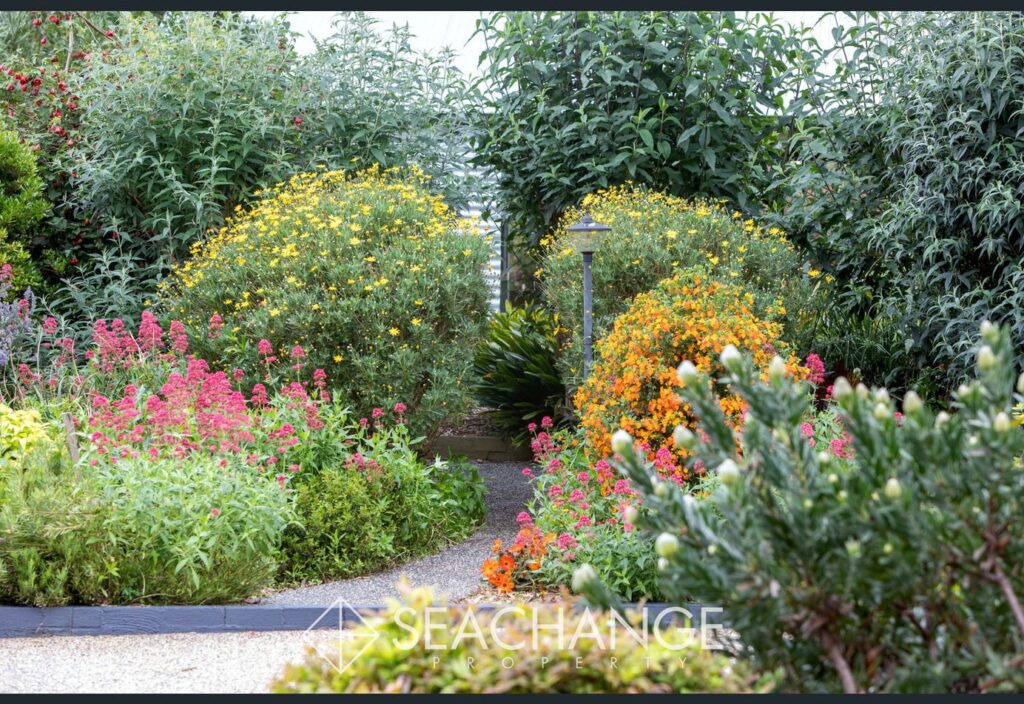
Years of digging, weeding, composting, planting and pruning shaped a garden that was my canvas. Warm palette of reds, yellow and orange at the front; cool hues of mauve, pink and white at the back. A random mix of natives and perennials, unruly cottage plantings breaking out of borders and little surprises around the corners. Flowers in every season. Garden statues, bird baths and benches creating resting places for birds and humans. The rustic garden arch elegantly supporting my Pierre de Ronsard pink climbing rose.
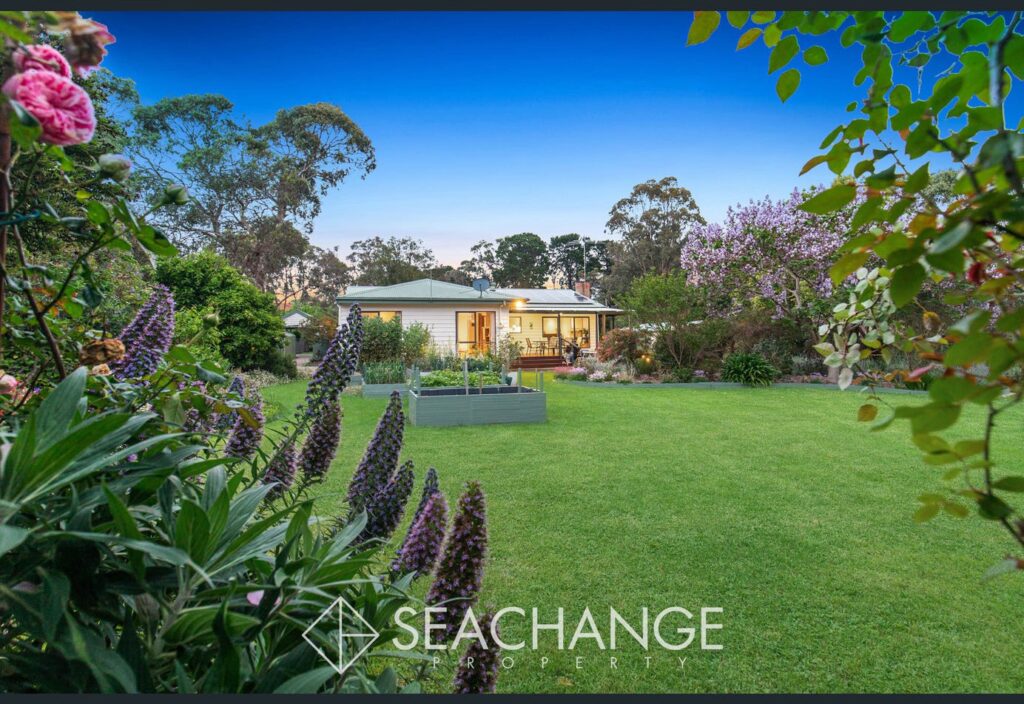
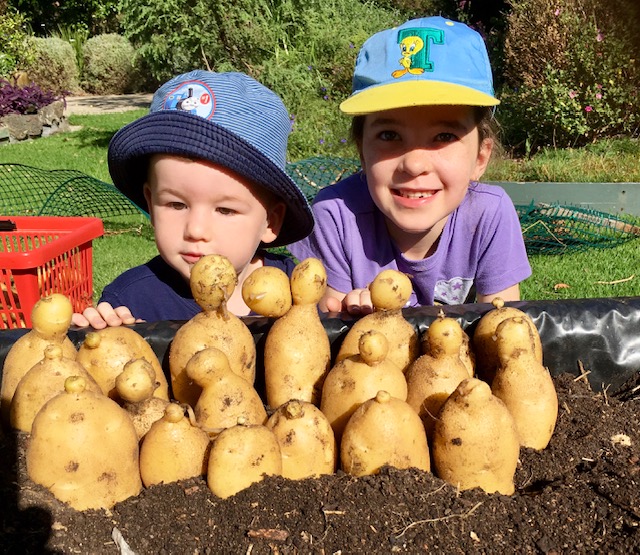
Seven raised veggie beds have produced countless kilograms of produce over the years. Boosted by my husband’s lovingly cultivated wormy compost, the seasons came and went with summer vegetables and salad plants alternating with winter root crops, brassicas and alliums. And always greens of every shape for the picking. Unforgettably tasty tomatoes and bowls full of peas, fresh garlic plaited and cured, a herb box providing year-round flavours. Treasure hunts for the potato crops with the grandchildren, with squeals of delight when the biggest tuber was found and celebratory chips made.
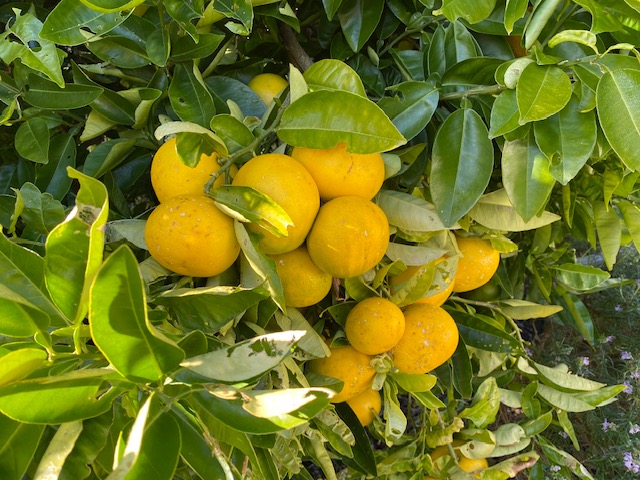
Flourishing citrus trees weighed down with golden fruit contributing to summer drinks and lemon, lime and grapefruit marmalade to last until the next season. Overflowing abundance of organic cornucopia to share with all who came.
And the grandchildren. The first one was a six-week-old swaddled bundle when we moved in; now there are nine and some are high school graduates towering over me. They have never known Grandma and Poppa living anywhere else. When they were little tackers, they were too scared to go right up the back with its bushes, overhanging trees and warnings about snakes. Then it was totem tennis, soccer and badminton, paintings in Poppa’s studio, along with the annual Easter egg hunt. I would find stray undiscovered eggs under the bushes for the rest of the year.
Family gatherings for Christmas and birthdays followed a well-worn cycle, with the decorated table extended and a trestle added as the tribe grew. Eventually the highchairs went to the op shop with the soft toys, and the cheeky children would seat themselves at the big table, leaving the kiddie table for the adults! So much comfort food – especially Indonesian food with yellow rice and curries with aromas evoking our family history.

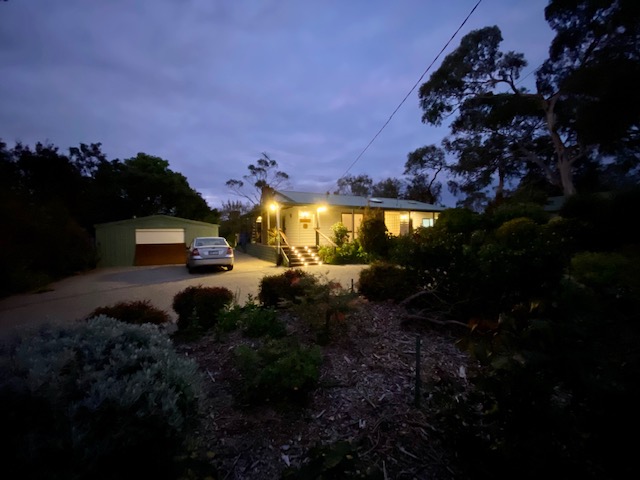
Dusty in summer and muddy in winter, our unmade road led nowhere except to our home and a couple of neighbours. Twice we made adrenalin-fuelled evacuations just in time from bush fires that threatened our secluded retreat. The two hourly train tooted at the nearby crossing, punctuating our lives and thrilling the little grandchildren. The goats over the road bleated, and the forbidden roosters crowed insistently; dogs barked at the wind and visiting cars. But peace descended like a comforter at night while we slept.
We will miss sharing coffee with our neighbours – almost a daily ritual at our fence café during the lockdowns. We shared our lives, our birthdays, Thai food, our faith, our worries and the time of day. How to tell such close friends that we were leaving?
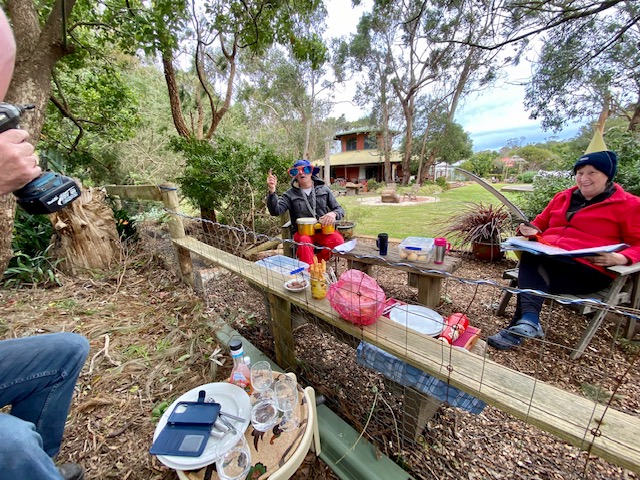
But we have and life goes on; we file away the memories with gratitude as we transition to making new ones.

(Torres Strait language for full moon)

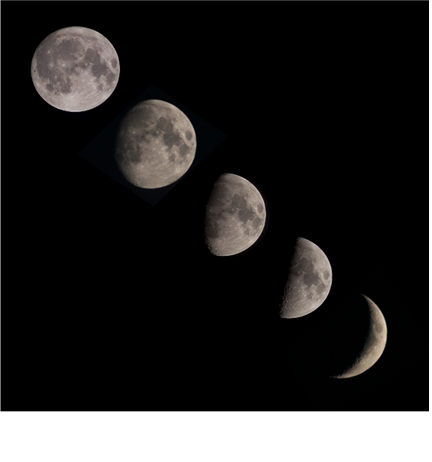
New crescent moon

Rising at dawn, a silver sliver

Trailing the bright orb in its waxing

Reaching the first quarter

Emerging languorously at midday

Gibbously glorious.

Obtusely angled

Daily later and larger

Luminous in its swelling

Competing with its gravitational star

Entering the sky at dusk.

Pink moon

Fulsomely round, facing off sun

Sprouting grass and egg moon

Packed with new life

Hanging large and unreal

First nations see

Fish become moon as waters rise,

Swelling tides

Giz meb

Falling tides as bright circle shrinks

To third quarter, last

Chasing fish to nets

Waning to a silent midnight arrival

Ready to rise again

An Easter moon.

It was like a very quiet ambulance. The siren finally caught my attention and I realised that it had been there in the background. My phones lay on the desk, and I wondered which of them was demanding attention. My constant battles with technology predisposed me to ignoring anything that didn’t need me immediately, but this was insistent. Sigh. Was it the Blackberry or the Nokia?

The Nokia was mine, with its clear icons and simplicity. How I fought against the idea of owning a mobile phone, the hassle of keeping it with me in my handbag and being pressured to answer it whenever it rang. Too much bother! As for charging it constantly – there were already enough routines in my life. So my husband went out and bought the lime green phone and presented it to me, saying I would get used to it.

Gradually it became part of my life. I enjoyed the quick chats with my family in stolen moments at work down on the Peninsula and being able to make last minute arrangements. Text messages became my new language. My learning, however, was on a need-to-know basis. Like when the phone rang while my husband was preaching a sermon and I couldn’t mute it…

And then the Blackberry landed on my desk at work, a gift from the Business Manager. This was to be my work device from now on, said the memo. Oh goodness, how would I keep two devices going? Two networks, two chargers and two ring tones. Now my work emails were immediately visible and I could not escape.

(more…)

28 March – 4 April 2022

Two tribal clans, the Yorta Yorta and the Dja Dja Wurrung lived along the grassy waterways of this region to hunt, fish and gather food across territory defined by tribal language, and bounded by geographical features such as forests, rivers and creeks.

The Yorta Yorta people occupy a unique stretch of forest-wetlands that are located in what is now known as the central Murray – Goulburn region.

We have chosen three very different areas for our road trip. After the majestic Gariwerd, then the expansive plains south of Bendigo, it is a dramatic change of scenery to arrive at the mighty Murray river, which is also our winding state border. Only 1.5 hours to get here, plus the usual leisurely morning tea break in Rochester.

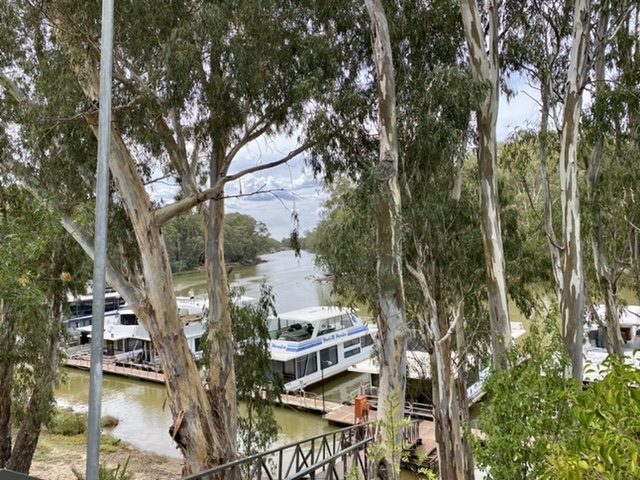
A text tells us that our cabin by the water is ready early, so we gratefully arrive at Merool on Murray holiday park. What a spot! They seem to own this entire bend in the river, and the little wooden cabins stretch all the way. Our cabin is basic, but we paid for a river view, and the two way vista from the bend is beautiful from the balcony. Coming from an entire Airbnb house with every convenience to a small ‘studio’ with bare cupboards is a little challenging but we arrange our gear with some creativity and feel content. It’s a good base.

Our stay begins with some drama when the maintenance man who came to change a globe over the stove electrocutes himself, is thrown across the room and causes a total power outage! Not feeling too encouraged, we opt to eat dinner at the RSL down the road. The roast of the day with a background of bingo seems safer somehow.

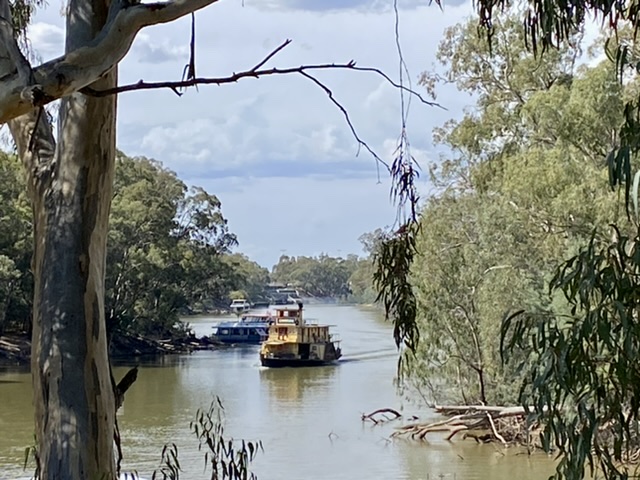
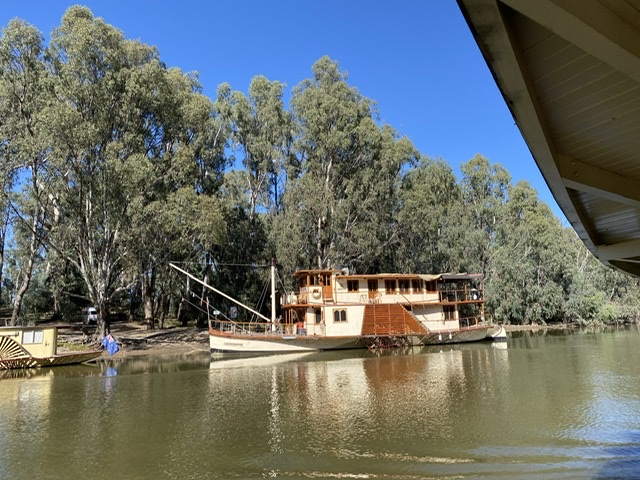
We take an exploratory drive around the twin towns divided by the Murray; our accommodation is actually in NSW. Thank goodness there are no more pandemic border issues! The region centres around the gum-lined river, iconic paddle steamers, growing numbers of wineries and a rich history. We don’t however, have to leave our private balcony just to watch the gentle river traffic go by.

The old paddle steamers chug up to our bend and then return and the regular cruises and houseboats leave in the morning and return at sunset with a low hum – the pleasant sounds of people having a good time on the water. The haunting sound of the steamer whistles is reminiscent of another era. Occasionally a jet-ski or power boat hoon breaks the peace and leaves a rippling wake.

The bird songs are deafening at times and we see lorikeets, galahs and magpies flitting between the gum trunks and exploring the knots in the wood. Best of all, three kookaburras land on our deck, obviously expecting a reward. We feed them a little ham, and watch them ‘kill’ the meat by bashing it, which is what they do to snakes they catch. I have never been so close to the exquisite birds with their duck egg blue spots on the wings and their quizzical looks.

We sleep deeply and Peter gets up to see the sun rise; he shows me a photo because I am too snug to get up with him. It is a perfect, still morning and it seems that everyone has started slowly.

(more…)

21 – 28 March 2022

Bendigo and surrounds was known as Jaffa country and owned by the Dja Dja Wurrung and Taungurung clans a long time ago.

We are reluctant to leave behind the majestic mountains of Gariwerd, and this second week takes us to a very different area. Only a couple of hours to the north-east, Bendigo became the world’s richest city as a result of the gold rush in the 1850s. That is part of the defining history of the area, and the number of banking buildings in the centre evidences the boom of the gold era.

We have plenty of time to wander across the country and pass the time in the car reading aloud the daily Lenten reflection. Our stop for morning tea by the road near Stawell looked peaceful but we were beseiged by flies. Lunch is in a park in the historic gold town of Maldon. Sitting under a spreading elm tree pulling apart a roast chicken, I can’t imagine a more pleasant spot. It’s a warm day, but a breeze springs up, and Peter snoozes on the bench while I tackle Wordle and Semantle for stimulation – and solve both. No one knows where we are, we have nothing we have to do, and plenty of time to go where we are headed. Bliss.

It is so booked out in Bendigo that we have had to settle for accommodation out of town in Lockwood South, which is not even a village. Post pandemic, people are on the move and enjoying local travel – like us. I am happy for local businesses making a comeback.

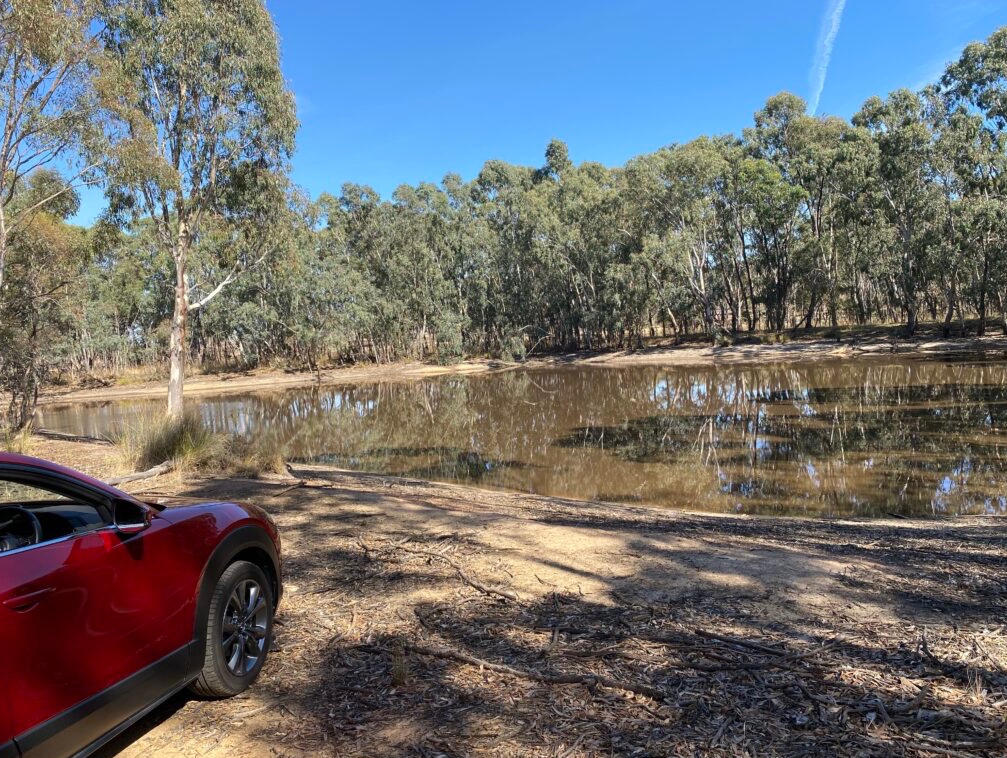
The Airbnb cottage is delightfully named Mulberry Place and we are warmly welcomed by our host. She has thought of everything, even messaging us to ask our milk and bread preferences. There are generous breakfast provisions and Easter eggs hidden everywhere. Next to their home, but separate from it, we look out through the roses and crepe myrtles to a dam. More serenity!

(more…)
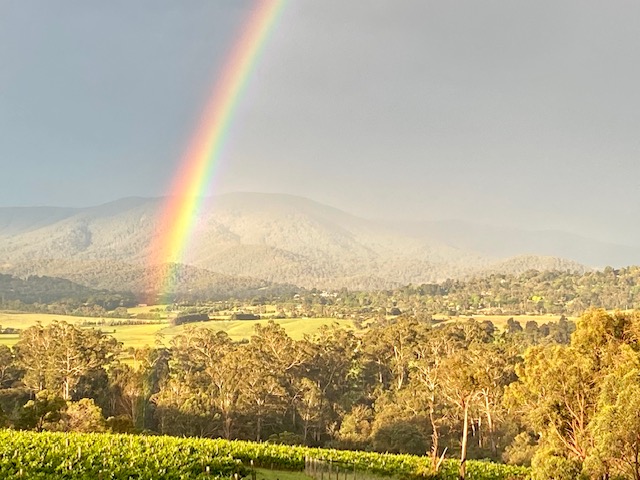
After the storm in the Yarra Valley

One of Ross Langmead’s songs is called The Pilgrim Song. It is a favourite for many because the lyrics reflect what all of us feel: life is not always easy. Ross was a man of faith and is remembered by his friends as cheerful and encouraging. Yet he had his struggles, as do we all while we are still on earth. He reminds us in this song that we sometimes are so bowed down by the rain that we miss the rainbow above. He drew on his faith and the strength of community to help him lift his eyes.

Listen to the song and if you would like to order a USB with Ross’s and Daddy’s Friends’ digitised music on it ($10), please use the contact form on this website.

It’s not easy to walk in the rain, and I walk with my eyes to the ground,

And I often ignore the rainbow above, and the coming of the sun.

V 3 There’ve been times of heavy weather when I’ve thought of giving up

And questioned whether anyone has made it through.

But i stake my life on what I know of Jesus and his love

And see the rainbow as my sign that it is true.

And see the power which comes from sharing all the power that we have

And the glimpse of peace and justice on the way

Is enough to make me lift my eyes and take another arm,

Strong enough for one more day.

Ross Langmead 1985 v3